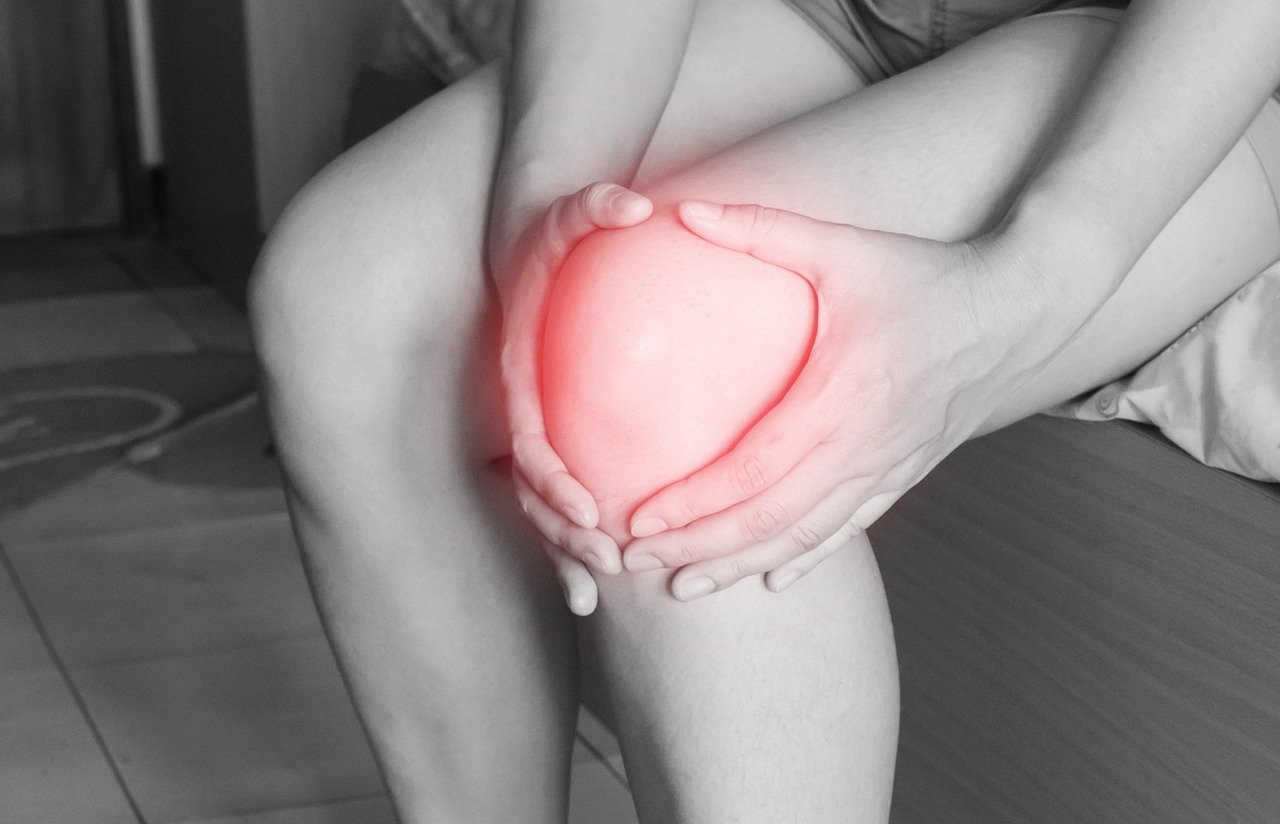
Knee pain can affect people of all ages, from athletes and active adults to older individuals experiencing age-related joint changes. Whether the discomfort begins suddenly after an injury or develops gradually over time, it can interfere with walking, climbing stairs, exercising, and even everyday activities. Knee pain physiotherapy offers a structured, non-invasive approach that helps reduce pain, restore movement, and improve strength without relying solely on medication.
Unlike temporary solutions that only mask symptoms, knee pain physiotherapy focuses on identifying and treating the underlying cause. With the right treatment plan and consistent effort, many people can regain confidence in their movement and return to the activities they enjoy.
Understanding the Causes of Knee Pain
The knee is one of the body’s most active joints. It supports body weight while allowing movement in multiple directions, making it vulnerable to stress and injury.
Common causes of knee pain include:
- Ligament sprains
- Meniscus injuries
- Tendon inflammation
- Muscle weakness
- Arthritis
- Overuse injuries
- Poor movement mechanics
Because each condition affects the knee differently, knee pain physiotherapy begins with a detailed assessment to determine the exact source of discomfort.
How Knee Pain Physiotherapy Works
The primary goal of knee pain physiotherapy is to reduce pain while restoring normal function. Instead of treating only the painful area, physiotherapists evaluate the entire lower body, including the hips, ankles, and walking pattern.
Comprehensive Assessment
The first stage includes evaluating:
- Joint mobility
- Muscle strength
- Balance
- Flexibility
- Walking mechanics
- Functional movements
This information helps create a personalized rehabilitation program.
Pain Management
Pain relief often starts with techniques that calm irritated tissues while allowing safe movement.
These may include:
- Gentle mobility exercises
- Manual therapy
- Stretching
- Soft tissue techniques
- Controlled strengthening exercises
The objective is to reduce discomfort without placing unnecessary stress on the knee.
Strengthening the Knee for Better Support
Weak muscles often contribute to ongoing knee pain. Knee pain physiotherapy includes progressive strengthening exercises that improve stability around the joint.
Key Muscle Groups
Treatment commonly targets:
- Quadriceps
- Hamstrings
- Gluteal muscles
- Calves
- Core muscles
Stronger muscles absorb more force during daily activities, reducing pressure on the knee joint itself.
Improving Balance and Stability
Balance exercises help retrain the body’s control systems after injury or prolonged pain.
These activities may include:
- Single-leg standing
- Controlled stepping exercises
- Functional balance drills
- Coordination training
Better stability reduces the likelihood of future injuries.
Restoring Flexibility and Movement
Limited flexibility can change how the knee moves, increasing stress on surrounding tissues.
Knee pain physiotherapy often includes stretching exercises for:
- Hamstrings
- Quadriceps
- Hip flexors
- Calves
- Gluteal muscles
Improving flexibility allows the knee to move more naturally during everyday activities.
Correcting Movement Patterns
Many people unknowingly place excessive stress on their knees through poor posture or inefficient movement habits.
A physiotherapy program teaches safer movement during:
- Walking
- Running
- Squatting
- Climbing stairs
- Lifting objects
- Sporting activities
These corrections improve performance while lowering the risk of recurring pain.
The Importance of Consistency
Recovery rarely happens overnight. Following a structured exercise program consistently produces better long-term outcomes than relying on passive treatments alone.
Regular participation in knee pain physiotherapy helps:
- Improve strength
- Increase flexibility
- Restore confidence
- Enhance joint stability
- Reduce recurring pain
Home exercises play an important role in maintaining progress between appointments.
Preventing Future Knee Problems
One of the biggest advantages of knee pain physiotherapy is its focus on prevention.
Healthy habits include:
Stay Physically Active
Regular movement keeps muscles strong and joints mobile.
Maintain Healthy Movement
Learning proper techniques during exercise and daily activities reduces unnecessary stress on the knees.
Build Muscle Strength
Strong leg and core muscles provide better support during movement.
Listen to Your Body
Persistent discomfort should never be ignored. Early management often prevents small problems from becoming larger ones.
When Should You Consider Knee Pain Physiotherapy?
Seeking treatment early often leads to faster recovery.
Consider knee pain physiotherapy if you experience:
- Pain lasting more than a few days
- Swelling
- Difficulty walking
- Knee instability
- Reduced range of motion
- Pain during exercise
- Repeated knee injuries
Early intervention helps prevent compensatory movement patterns that may create additional problems elsewhere in the body.
Conclusion
Living with knee pain can limit independence, reduce physical activity, and affect overall quality of life. Fortunately, recovery is possible with the right approach. Knee pain physiotherapy addresses the root cause of discomfort through individualized assessment, targeted exercises, movement correction, and progressive strengthening. Rather than simply masking symptoms, it helps restore healthy movement and supports long-term joint health.
With consistency, proper guidance, and a personalized rehabilitation plan, knee pain physiotherapy can help reduce pain, improve function, and make everyday activities more comfortable and enjoyable.