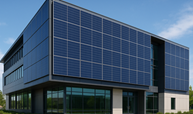
Photovoltaic Glass: A Modern Solution for Sustainable Architecture
Photovoltaic glass is changing the way buildings interact with sunlight. Instead of serving only as a transparent building material, it also generates clean electricity. This innovative technology combines architectural design with renewable energy, making it an attractive option for modern construction projects focused on sustainability and energy efficiency.
As cities continue to prioritize greener infrastructure, photovoltaic glass is becoming an increasingly important component in residential, commercial, and institutional buildings. It provides natural daylight while converting solar energy into usable power, helping reduce dependence on conventional electricity sources.
What Is Photovoltaic Glass?
Photovoltaic glasses are specially engineered glazing that contains solar cells capable of converting sunlight into electricity. Unlike standard glass, this advanced material performs two essential functions—it allows light to pass through while producing renewable energy.
Photovoltaic glass can be integrated into building elements such as windows, skylights, facades, curtain walls, and overhead canopies. Since it replaces conventional glass rather than being added afterward, it supports both architectural performance and clean energy generation.
How Photovoltaic Glass Works
The embedded photovoltaic cells capture sunlight and generate direct current electricity. This energy is then converted into alternating current through an inverter, making it suitable for everyday building operations.
Depending on the design, photovoltaic glass may be transparent, semi-transparent, or opaque, allowing architects to balance natural lighting with energy production.
Benefits of Photovoltaic Glass
Renewable Energy Generation
One of the greatest advantages of photovoltaic glass is its ability to generate electricity directly from building surfaces. Large glazed areas become productive energy-generating assets instead of passive construction materials.
Attractive Building Design
Photovoltaic glass blends seamlessly into contemporary architecture. It provides a sleek appearance while eliminating the need for separate solar panel installations on many visible building surfaces.
Improved Daylighting
Natural daylight contributes to healthier indoor environments. Photovoltaic glass allows sunlight to enter buildings while helping reduce glare and excessive heat, depending on the glazing configuration.
Better Use of Building Space
Since photovoltaic glass replaces conventional glazing, buildings generate renewable energy without requiring additional rooftop or ground-mounted solar systems.
Common Applications
Commercial Buildings
Office towers, shopping centers, airports, and hotels frequently use photovoltaic glass in curtain walls and entrance systems. These large glass surfaces provide excellent opportunities for renewable energy production.
Residential Homes
Modern homes can incorporate photovoltaic glass into windows, skylights, sunrooms, and patio coverings. This creates visually appealing spaces while improving overall energy efficiency.
Public Infrastructure
Schools, transportation terminals, government buildings, and cultural centers increasingly utilize photovoltaic glass to support sustainable building initiatives.
Design Considerations
Architects evaluate several factors before incorporating photovoltaic glass into a project.
Building Orientation
Solar exposure plays a significant role in electricity production. Proper placement maximizes energy generation throughout the year.
Glass Transparency
Different transparency levels influence daylight transmission and energy output. Designers select glazing based on project requirements.
Structural Performance
Photovoltaic glass must meet the same safety, insulation, weather resistance, and durability standards as conventional architectural glazing.
Environmental Advantages
Photovoltaic glass supports sustainable construction by reducing greenhouse gas emissions and encouraging renewable energy generation. It also helps lower reliance on fossil fuels while making better use of existing building surfaces.
Many green building projects include photovoltaic glass to improve overall environmental performance and long-term energy efficiency.
Future Opportunities
Advances in photovoltaic technology continue to improve efficiency, transparency, and durability. Researchers are developing smarter glass capable of generating more electricity while maintaining excellent visibility.
As sustainable architecture becomes more common, photovoltaic glass will likely play a larger role in creating buildings that actively produce clean energy.
Conclusion
Photovoltaic glass combines architectural beauty with renewable energy generation, making it one of the most exciting innovations in modern construction. By transforming ordinary glass into an energy-producing material, photovoltaic glass helps buildings become more efficient, environmentally responsible, and visually impressive. As technology advances, its role in sustainable architecture will continue to expand.