Few household problems are as stressful as waking up to a cold home in the middle of winter. When your heating system suddenly stops working, getting emergency furnace repair should become a top priority. A furnace failure can affect not only your comfort but also your home’s safety, especially during freezing temperatures. Knowing how to respond quickly and recognizing the warning signs can help minimize damage and restore warmth sooner.
This guide explains when emergency furnace repair is necessary, what causes sudden furnace failures, and how homeowners can reduce the chances of future emergencies.
When Is Emergency Furnace Repair Necessary?
Not every furnace issue requires immediate service, but certain situations demand urgent attention. If your heating system completely stops working or begins showing signs of a serious malfunction, scheduling emergency furnace repair as soon as possible is the safest choice.
Common situations that require immediate repair include:
- No heat throughout the home
- Furnace repeatedly shutting off
- Loud grinding or banging sounds
- Burning or electrical odors
- Poor airflow during cold weather
- Furnace failing to start
- Unusual vibrations
- Sudden loss of heating performance
Ignoring these problems may lead to additional damage and longer repair times.
Common Causes of Emergency Furnace Breakdowns
Heating systems consist of many moving and electrical components that experience wear over time. While regular maintenance helps reduce failures, unexpected problems can still occur.
Dirty Air Filters
One of the most common reasons homeowners need emergency furnace repair is restricted airflow caused by clogged filters. When airflow becomes limited, the furnace works harder than necessary, increasing the risk of overheating or shutdown.
Mechanical Wear
Blower motors, belts, bearings, and other moving parts naturally wear down after years of operation. If these components fail unexpectedly, the furnace may stop producing heat.
Electrical Issues
Loose wiring or damaged electrical components can interrupt furnace operation and prevent the system from functioning safely.
Thermostat Problems
A malfunctioning thermostat may incorrectly communicate with the furnace, resulting in inconsistent heating or a complete system shutdown.
Signs You Need Emergency Furnace Repair Immediately
Recognizing the early warning signs can help you avoid extended periods without heat.
Cold Air Instead of Warm Air
If your furnace runs but only blows cold air, professional emergency furnace repair may be necessary to identify the underlying issue.
Strange Noises
Unusual sounds such as rattling, screeching, or banging often indicate loose or damaged internal components.
Prompt repairs help prevent additional mechanical damage.
Frequent Cycling
A furnace that constantly turns on and off without properly heating the home may have airflow or control issues requiring immediate attention.
Burning Smells
Persistent burning odors should never be ignored. Turn off the furnace and arrange emergency furnace repair if unusual smells continue after startup.
What You Can Check Before Calling for Repairs
Although professional service is usually required, homeowners can safely perform a few basic checks.
Verify Thermostat Settings
Ensure the thermostat is switched to heating mode and the temperature setting is higher than the current room temperature.
Replace the Air Filter
A dirty air filter may reduce airflow enough to affect furnace performance.
Installing a clean filter can sometimes improve operation.
Inspect the Circuit Breaker
If the furnace has lost electrical power, resetting a tripped breaker may restore operation.
If the system still does not function after these checks, professional emergency furnace repair is recommended.
What Happens During an Emergency Furnace Repair Visit?
Qualified technicians follow a detailed process to restore safe and reliable heating.
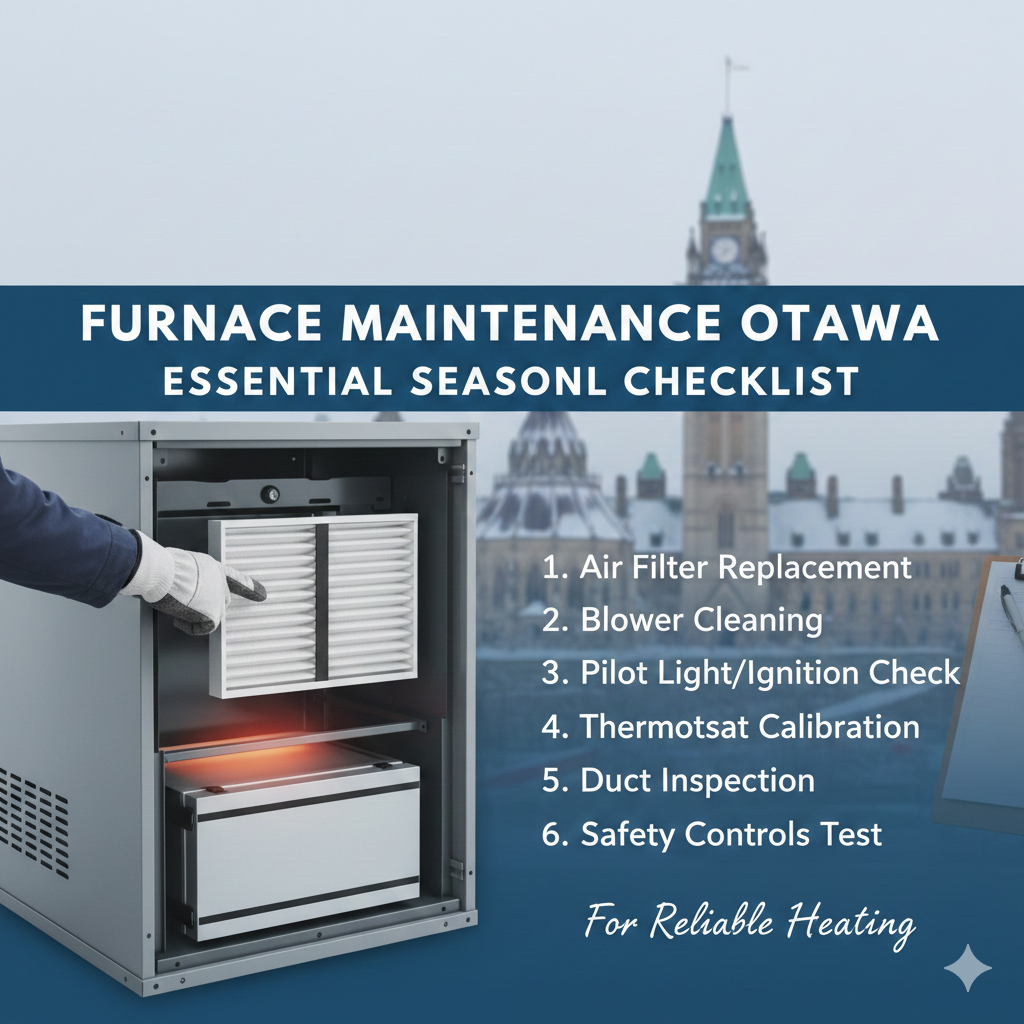
Complete Furnace Inspection
The repair process usually begins with a thorough examination of:
- Thermostat operation
- Electrical connections
- Airflow
- Blower assembly
- Heat exchanger
- Safety controls
- Ignition system
This inspection helps locate both obvious and hidden issues.
Accurate Diagnosis
Instead of guessing, technicians determine the exact cause of the malfunction before making repairs.
Repair and Testing
After replacing or repairing damaged components, the furnace is tested to confirm proper operation and consistent heating performance.
Preventing Future Emergency Furnace Repairs
While unexpected breakdowns cannot always be avoided, preventive care significantly lowers the risk.
Schedule Annual Furnace Maintenance
Professional maintenance identifies worn components before they fail.
Routine inspections also improve heating efficiency and overall reliability.
Replace Filters Consistently
Clean filters support proper airflow and reduce strain on the heating system.
Keep Air Vents Unobstructed
Furniture, rugs, and curtains should never block supply or return vents.
Balanced airflow helps the furnace operate efficiently.
Watch for Small Changes
Minor performance issues often appear before major breakdowns.
If you notice reduced airflow, unusual sounds, or uneven heating, arranging service early may eliminate the need for emergency furnace repair later.
Choosing a Trusted Emergency Furnace Repair Provider
When your heating system fails unexpectedly, selecting the right repair professional is important.
Look for technicians who offer:
- Fast emergency response
- Comprehensive inspections
- Clear communication
- Honest repair recommendations
- Experienced workmanship
- Reliable follow-up support
A qualified technician will not only restore your heating system but also help identify ways to improve its long-term performance.
Conclusion
An unexpected heating failure can be frustrating, especially during cold weather, but quick action makes a significant difference. Seeking emergency furnace repair at the first sign of trouble helps restore comfort, protect your heating system, and prevent more serious damage.
By recognizing warning signs, performing basic troubleshooting, and scheduling regular maintenance, homeowners can greatly reduce the likelihood of future emergencies. When professional emergency furnace repair is needed, timely service ensures your furnace returns to safe, efficient, and dependable operation, keeping your home warm and comfortable throughout the winter season.