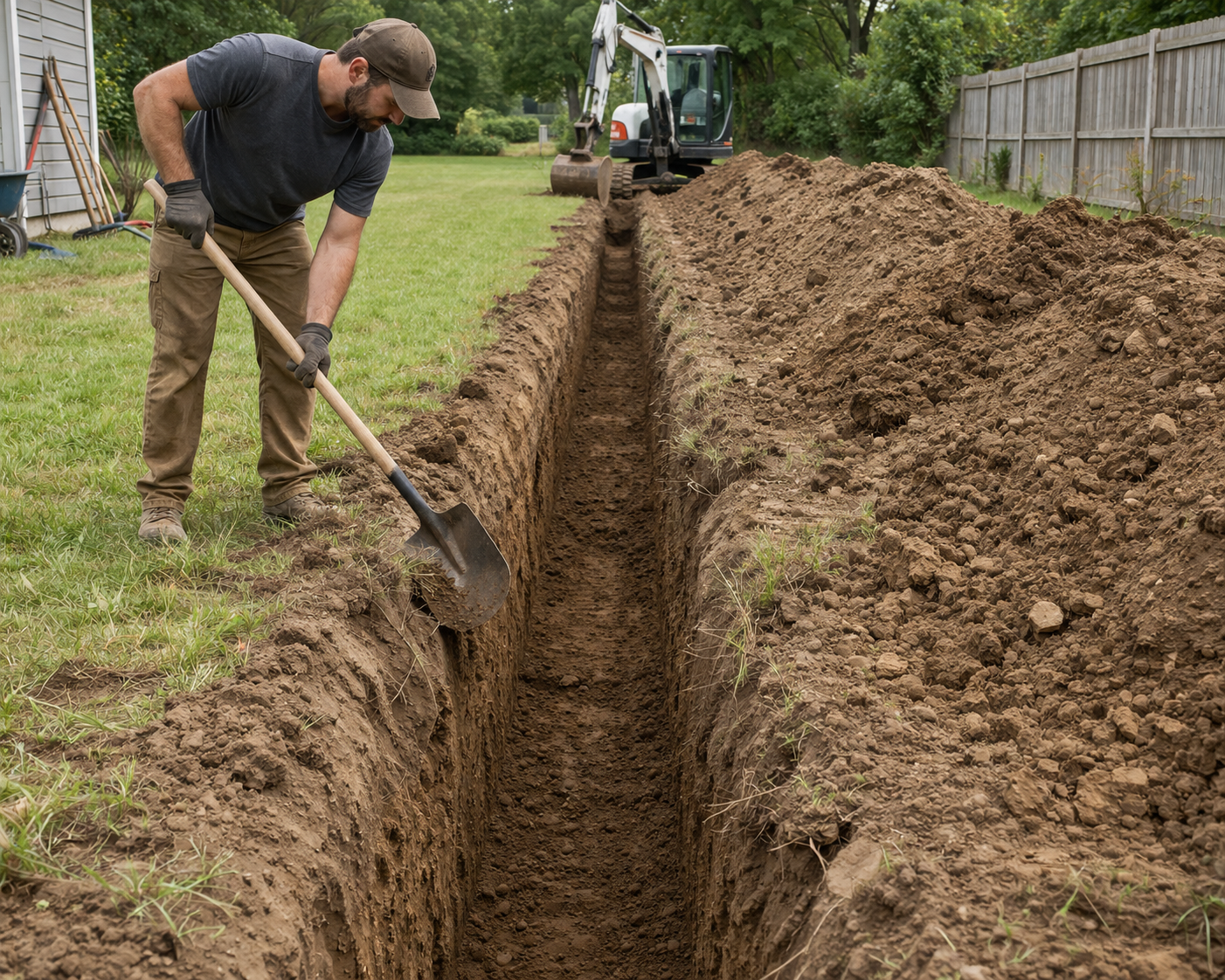
Every successful excavation project starts with careful planning, especially when the work requires you to dig trench for underground systems. From installing drainage pipes and utility lines to preparing irrigation networks and construction foundations, trench excavation plays a vital role in creating reliable infrastructure. A properly excavated trench not only supports long-term performance but also improves safety and minimizes future maintenance.
Before you dig trenching, it is important to understand the site’s conditions, determine the correct dimensions, and select the appropriate excavation methods. These early decisions help avoid delays, reduce unnecessary digging, and ensure underground installations remain stable for years.
This guide explores the essential planning steps, excavation techniques, safety practices, and maintenance tips needed to dig trench efficiently and accurately.
Why You Should Dig Trench with Proper Planning
A trench may seem like a simple excavation, but its quality directly affects the performance of the systems installed within it. Taking the time to dig trench correctly provides several long-term advantages.
Key benefits include:
- Better support for underground utilities
- Improved drainage efficiency
- Reduced soil erosion
- Lower maintenance requirements
- Safer excavation conditions
Proper planning creates a stable foundation that supports successful construction and landscaping projects.
Preparing Before You Dig Trench
Identify the Project Objective
Every excavation project begins with a clear understanding of its purpose.
A trench may be required for:
- Water supply lines
- Drainage systems
- Irrigation piping
- Electrical conduits
- Communication cables
Understanding the project’s objectives helps determine the correct depth, width, and alignment before you dig trench.
Assess Site Conditions
Every worksite presents unique challenges that should be evaluated before excavation begins.
Inspect the area for:
- Existing underground utilities
- Tree roots
- Rocky ground
- Uneven terrain
- Wet or soft soil
A detailed site inspection reduces unexpected obstacles during excavation.
Selecting the Right Equipment
The type of equipment depends on the size and complexity of the project.
Manual Digging Tools
Smaller projects often use hand tools, including:
- Trenching shovels
- Spades
- Digging bars
- Mattocks
These tools provide precise control for residential or confined work areas.
Mechanical Excavation Equipment
Larger projects benefit from powered machinery.
Common equipment includes:
- Mini excavators
- Compact excavators
- Backhoes
- Mechanical trenchers
Choosing the proper equipment allows crews to dig trench efficiently while maintaining consistent trench dimensions.
Safety Practices During Trench Excavation
Safety should remain the highest priority throughout the excavation process.
Wear Appropriate Protective Equipment
Workers should always use:
- Hard hats
- Safety boots
- Protective gloves
- Eye protection
- High-visibility clothing
Monitor Soil Stability
Different soil types respond differently to excavation. Loose or water-saturated soil may require additional precautions.
Maintain Safe Access
Ensure safe entry and exit points remain available throughout the project.
Watch Weather Conditions
Rainfall and changing weather can affect trench stability and increase excavation risks.
Anyone preparing to dig trench should include safety planning in every stage of the project.
Common Challenges When You Dig Trench
Even well-planned excavation projects may encounter obstacles.
Hard or Compacted Soil
Dense soil increases excavation time and may require mechanical assistance.
Rocky Terrain
Large rocks can slow progress and require specialized excavation equipment.
Underground Utilities
Existing utility lines require careful excavation to avoid accidental damage.
Standing Water
Groundwater can reduce trench stability and delay installation work.
Recognizing these challenges early helps workers dig trench safely and efficiently.
Best Practices to Dig Trench Successfully
Mark the Excavation Route
Clearly marking the trench layout improves excavation accuracy and reduces unnecessary digging.
Measure Frequently
Regularly checking trench depth and width ensures compliance with project requirements.
Store Excavated Soil Properly
Keep removed soil away from trench edges to reduce pressure on trench walls.
Work in Controlled Sections
Excavating smaller sections allows better quality control and improves overall safety.
Following these best practices helps every team dig trench with greater consistency and reliability.
Environmental Considerations
Responsible excavation protects both the worksite and surrounding landscape.
Helpful practices include:
- Prevent soil erosion.
- Preserve nearby vegetation.
- Manage excavated material responsibly.
- Minimize unnecessary land disturbance.
- Control runoff during wet weather.
Sustainable excavation methods improve project outcomes while reducing environmental impact.
Maintaining the Finished Trench
Once excavation is complete, ongoing maintenance helps preserve performance.
Recommended maintenance includes:
- Inspect for soil settlement.
- Monitor drainage after rainfall.
- Repair erosion promptly.
- Maintain proper backfill compaction.
- Check underground systems periodically.
Routine inspections help extend the life of underground installations and reduce future maintenance needs.
Conclusion
Learning how to dig trench correctly is essential for successful construction, drainage, landscaping, and utility projects. Careful planning, proper equipment selection, accurate measurements, and strong safety practices all contribute to dependable excavation results.
Whether preparing land for underground infrastructure or improving site drainage, taking the time to dig trench properly creates a stable foundation for long-term success. By following proven excavation techniques and maintaining responsible work practices, every trench project can deliver safe, efficient, and lasting performance.